Making Café-Quality Coffee and Matcha in Your Macon, GA Apartment
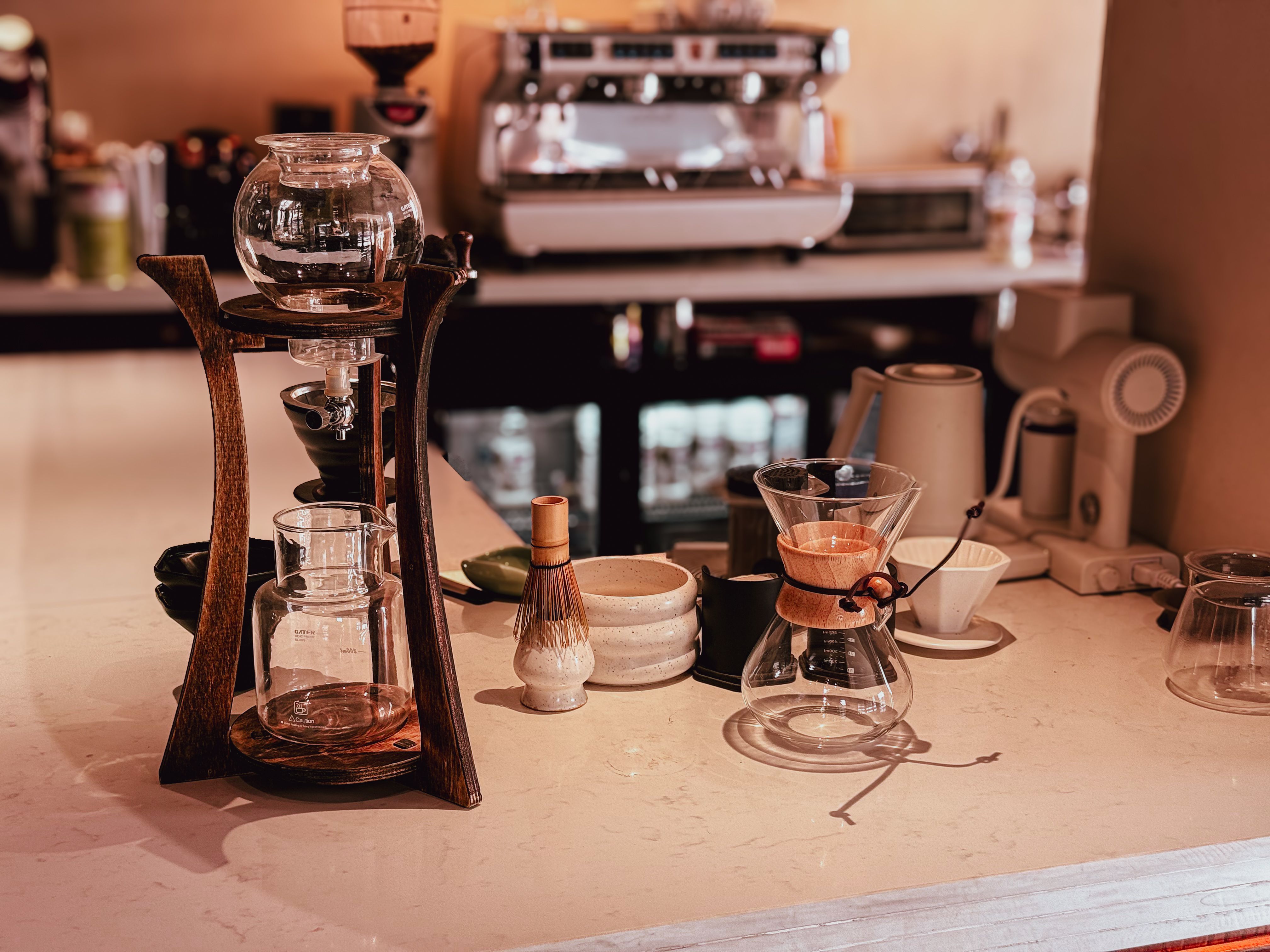
Most people already own almost everything they need to make good coffee at home. The trouble is that the kettle sits in one cabinet, the beans are in another, and the mugs are across the kitchen. Gathering it all into one organized area is what turns scattered mornings into routines you look forward to.
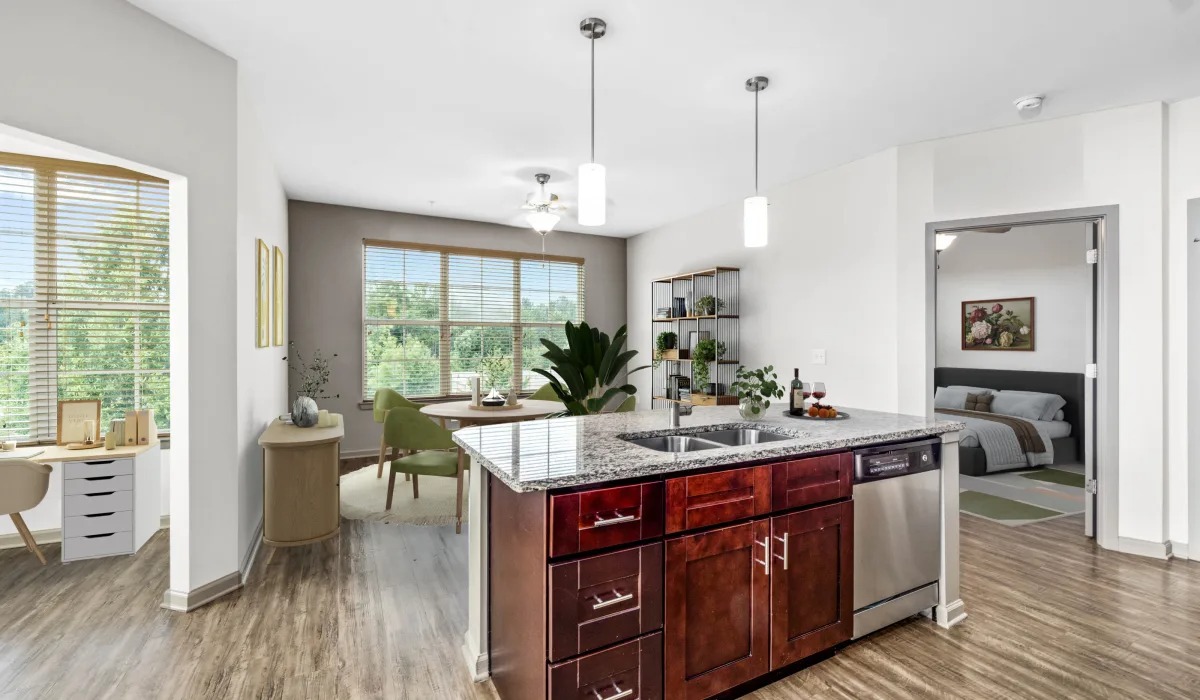
The apartments at Lofts at Bass feature modern kitchens with long counter runs, so most residents already have a workable stretch to build on. What matters is picking the right stretch, because a station in the wrong place gets shoved aside within a week. Choosing the spot comes before buying anything to put on it.
A coffee station gets used every day when three things are in place: an outlet, a short walk to the sink, and space outside the main cooking path. A kettle or espresso machine needs power, and an extension cord running across the counter is a tripping risk and one more thing to work around every morning. Counters near an existing outlet are the easiest places to start.
The apartments at Lofts at Bass make it simple to find a corner that keeps your gear away from high-traffic cooking zones. You will find that these spaces offer enough room to dedicate a spot for your brewer without cluttering your prep area.
The sink is the second consideration, because coffee involves more water handling than most people account for. You will fill the kettle, rinse the whisk, and dump grounds, so a station more than a few steps from the sink adds work to every cup. Corner counters next to the sink tend to work better than an island in the middle of the room.
The third factor is where people already walk and cook. A bar set up next to the stove is in the way when cooking, and anything on the counter beside the range collects grease over time. The end counter space, or a rolling cart parked against a free wall, keeps the two activities separate.
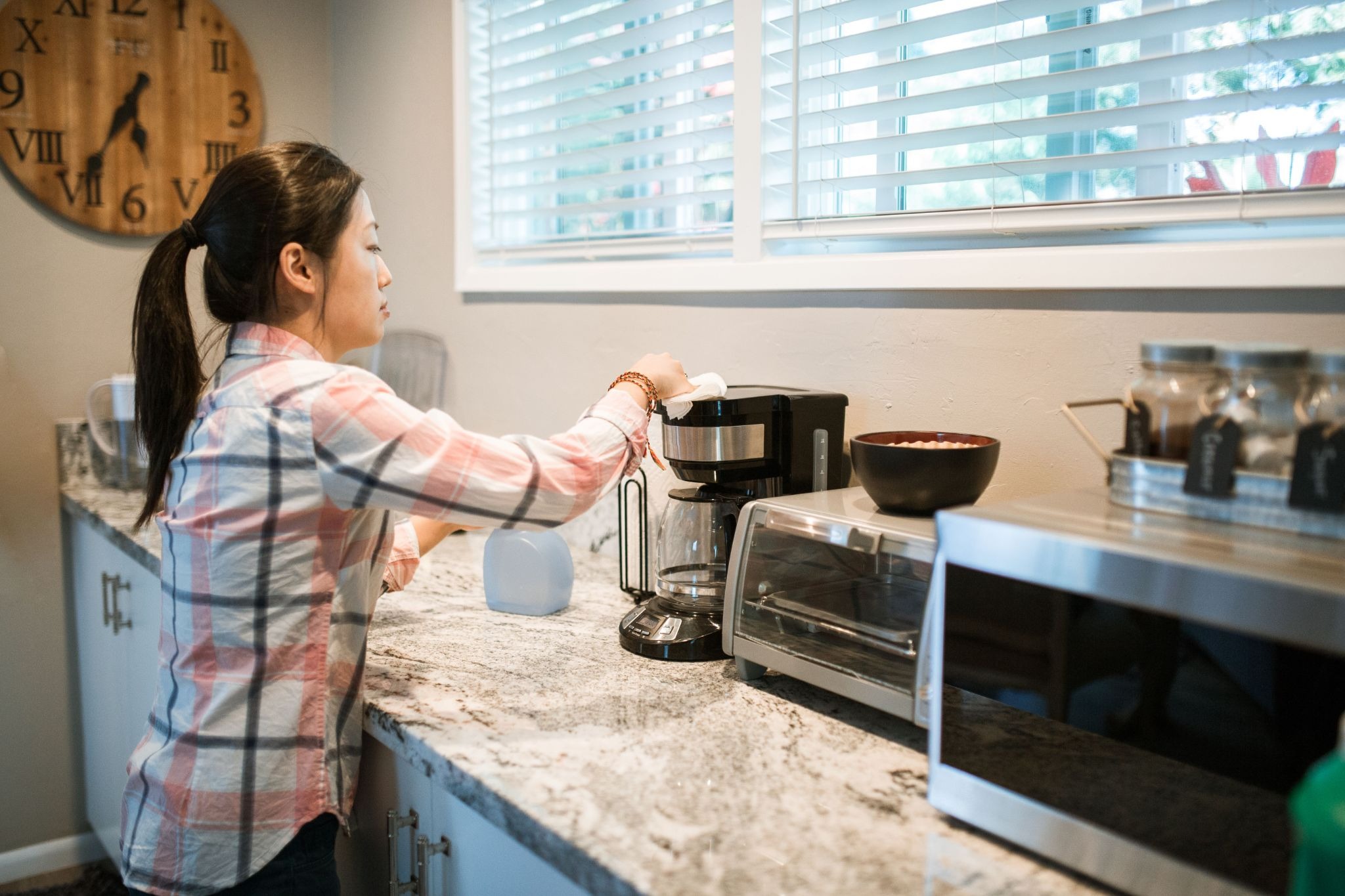
The goal is everything within one arm's reach and nothing extra. A station with fifteen items on it stops being a station and becomes clutter you clean around. These are the pieces that earn their spot:
Everything else, including extra filters, additional beans, and the secondary brewers you may have like a French press, belongs in storage nearby rather than on the surface. A clear counter is what makes the setup usable on a Tuesday morning when you are already running late.
Airtight containers keep beans fresh longer and keep the counter from looking like a row of half-open bags. Air and light are what strip the aroma out of roasted coffee, so a sealed jar buys you an extra week of good flavor. Glass jars with gasket lids are great for organization and stack neatly.
The drawer or cabinet directly under the bar is the natural home for everything you use weekly rather than daily. Filters, cleaning brushes, spare mugs, and a bag of beans all fit there without cluttering the counter. Keeping the storage directly under the station means you never carry anything across the kitchen.
Vertical space gets overlooked because most people plan a counter in two dimensions and forget the open air above it. A narrow two-shelf riser sitting on the counter roughly doubles your usable surface, and adhesive hooks under an upper cabinet hold four mugs in the space one would take standing up. Between the riser, the drawer, and the hooks, a station can hold everything it needs on about two feet of counter.
The cabinet and storage options in our homes at Lofts at Bass give you the perfect nearby spots to stow that extra gear without crowding your main bar. With your coffee essentials organized, you can shift your focus to the setup required for your daily matcha ritual.
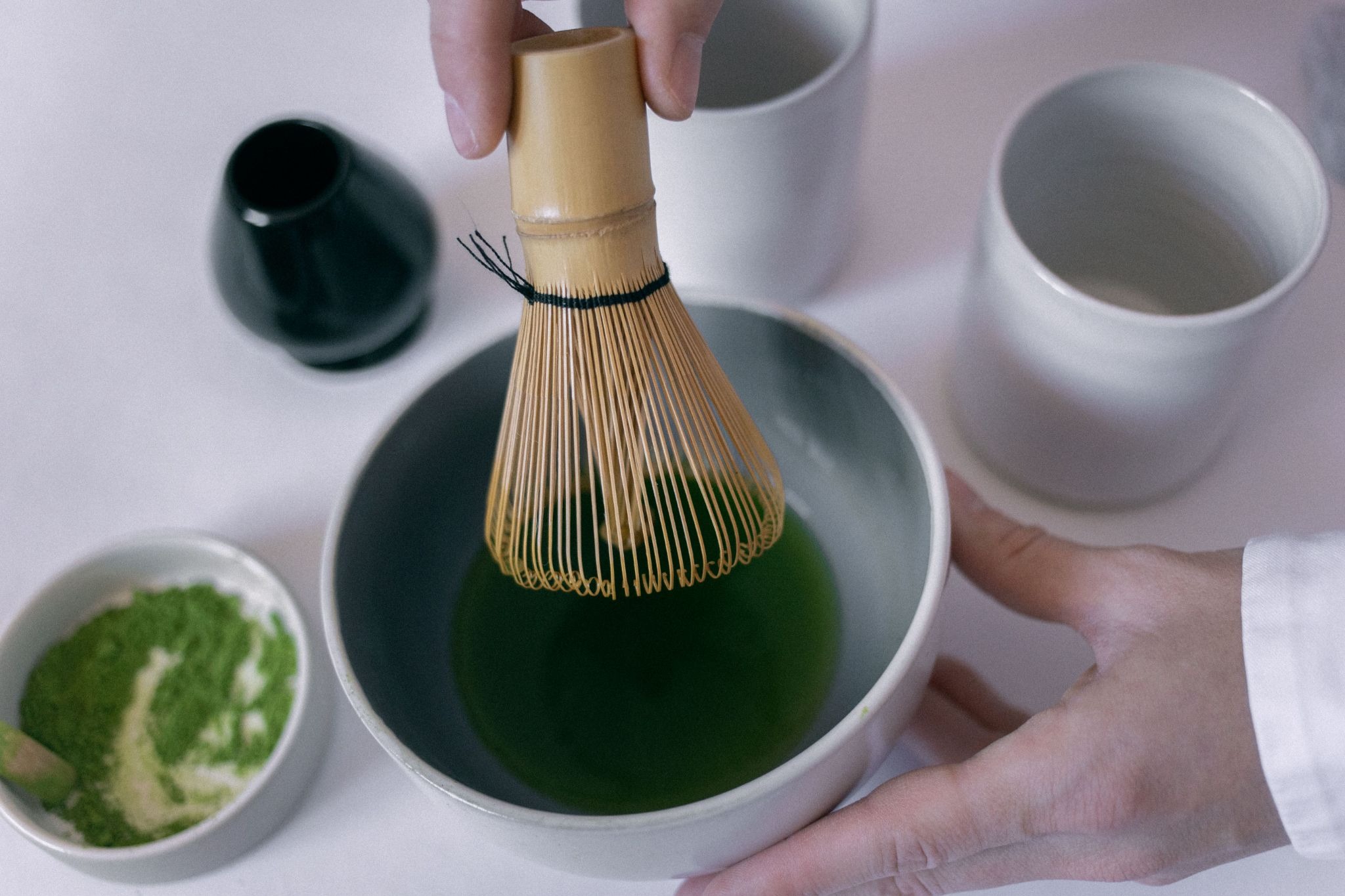
Matcha needs its own corner, away from the beans, since it picks up coffee's smell fast. A bamboo whisk cannot go through a dishwasher, and coffee oils cling to anything porous, so a whisk stored next to a grinder eventually makes tea that tastes like both drinks. Keeping the whisk on its own small tray, or in a divided section of the bar, keeps the two apart.
The matcha side is short: a sifter, a bamboo whisk, a wide bowl, and a bamboo scoop. Sifting is the step people skip, and skipping it is why a finished drink turns out grainy.
The powder clumps in the tin, and water alone will not break the clumps apart, so the sifter has to stay within reach. There is enough counter space at Lofts at Bass to leave it and the whisk out, which is what keeps the step from getting skipped.
Storage is different for matcha as well. The tin belongs in the refrigerator with the lid sealed, since light and air dull both the color and the sweetness. A dry spoon each time keeps moisture out of the powder, which is what causes it to cake. Handled that way, a tin stays bright green and sweet for months rather than weeks.
A tray under the whole setup is a small change that makes a large difference. Crumbs and drips land on the tray instead of the counter, and cleaning the station becomes one motion. Trays with a raised lip also stop a knocked-over grinder from spilling across the kitchen.
Restocking works best on a schedule rather than when you run out. Buying beans every two weeks keeps them inside the window where they still taste fresh, and checking the matcha tin at the same time means you never start a morning without either one.
Editing the station down every few months is the last piece. If a gadget has sat unused for a month, it belongs in a cabinet, and the counter space it was taking is better spent on something you reach for daily. Kitchens in the spacious apartments for rent at Lofts at Bass give you room to keep a real station out without giving up counter space.
Standing in the room tells you where a coffee and matcha bar would fit better than any floor plan can. Schedule a tour and see the kitchens in our Lofts at Bass apartments in person.
Browse our blog for fresh ideas, helpful tips, and the latest posts.




.png)